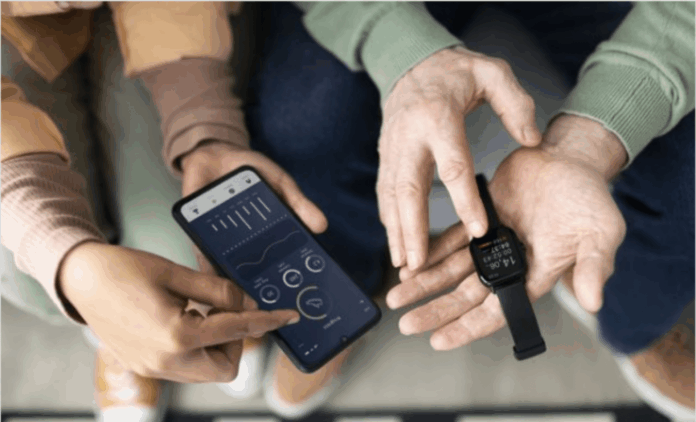
Wearable technology has evolved rapidly in recent years, and in 2025, it continues to reshape how people approach health and fitness. Devices such as smartwatches, fitness trackers, and smart clothing provide real-time insights into physical activity, heart rate, sleep patterns, and overall wellness. By integrating wearable tech into daily routines, individuals can take a more proactive approach to their health and make informed decisions about their fitness goals.
Monitoring Health Metrics in Real Time
One of the most significant advantages of wearable technology is the ability to monitor health metrics continuously. Devices can track heart rate, blood pressure, oxygen levels, and even glucose levels in some advanced models. By collecting this data, users are better equipped to understand their body’s needs and make adjustments to their lifestyle accordingly.
Moreover, the integration of artificial intelligence allows wearables to provide personalized recommendations. For instance, if irregular heart patterns are detected, the device can alert the user and suggest consulting a healthcare professional. This level of proactive monitoring enhances overall health management and prevents potential issues before they become serious.
Enhancing Fitness and Performance
Wearable tech has become essential for fitness enthusiasts looking to improve performance. Advanced trackers can measure steps, calories burned, distance covered, and workout intensity. By analyzing this data, users can adjust their training routines for maximum effectiveness.
Many devices also offer guided workouts, virtual coaching, and feedback on form and technique. This feature is particularly useful for individuals who prefer home workouts or want to supplement their gym sessions. By making fitness more data-driven, wearable technology helps users achieve their goals faster and more efficiently.
Improving Sleep and Recovery
Sleep quality is a critical aspect of overall health, and wearable technology has made it easier to monitor and improve. Devices can track sleep cycles, duration, and disturbances, providing insights into how well the body is resting. With this information, users can make adjustments to their bedtime routines, environment, and lifestyle habits.
In addition, recovery metrics such as heart rate variability and stress levels are monitored to optimize training and daily activities. By understanding when the body needs rest, individuals can prevent overtraining and enhance physical and mental well-being.
Integrating with Healthcare Systems
Wearable technology in 2025 is increasingly integrated with healthcare systems. Many devices allow data to be shared directly with medical professionals, enabling more accurate diagnoses and personalized care plans. This connection between wearables and healthcare providers ensures that users receive timely interventions and continuous support for chronic conditions.
Furthermore, some wearables are equipped with emergency alert features. If a sudden health anomaly is detected, alerts can be sent to family members or healthcare providers. This functionality provides peace of mind and adds a layer of safety, especially for elderly users or those with existing medical conditions.
Promoting Motivation and Accountability
Wearable tech also plays a crucial role in keeping users motivated. Features like goal-setting, progress tracking, and social sharing encourage accountability and engagement. Users can set daily step counts, calorie targets, or fitness challenges and receive real-time feedback on their progress.
Additionally, gamification elements such as badges, rewards, and leaderboards make maintaining an active lifestyle more enjoyable. By combining data-driven insights with motivational tools, wearable technology supports long-term adherence to health and fitness routines.
The Future of Health and Fitness with Wearables
Wearable technology in 2025 has become more than just a convenience; it is a powerful tool for improving health and fitness. By monitoring key metrics, enhancing workouts, improving sleep, integrating with healthcare, and promoting motivation, wearables provide a comprehensive approach to wellness.
The continued advancement of these devices ensures that individuals can make informed decisions about their health while maintaining an active lifestyle. Wearable technology not only empowers users to take control of their well-being but also transforms the way fitness and healthcare are approached in the modern world.